**** THIS DOMAIN NAME IS FOR SALE *** ******* LIST OF DOMAIN NAME PRICES —AT ABSHOT.COM

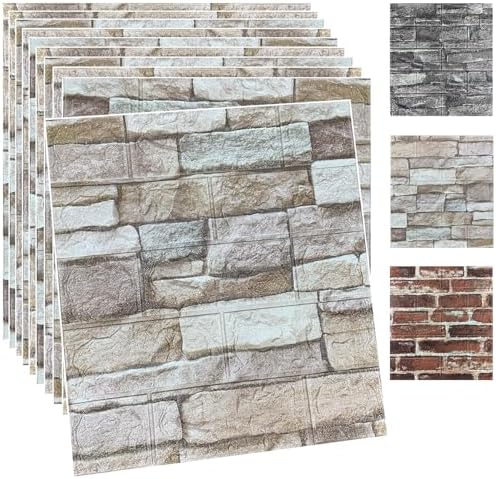
- High-Quality PVC Material – Made from high-grade PVC, Art3d panels combining the benefits of being sturdy and lightweigh…
- Striking 3D Slat Design – Art3d wall panels feature a 3D slat design that creates a visually engaging texture and depth,…
- Transform Ceiling & Wall – Not just for wall decoration, these 3D panels are also suited for ceiling installations, fitt…
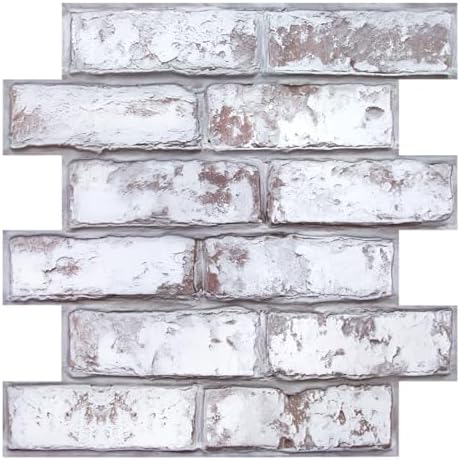
- 【Realistic 3D Brick Texture, SMALL BRICK SIZE】Upgraded 3D textured surface adds depth and a modern decorative look to an…
- 【Not Heavy Tile — Thin and Flexible, Designed for Quick DIY Wall Upgrades】These panels are thin and lightweight by desig…
- 【Easy Peel & Stick Installation】No grout, no mess, no special tools needed. Panels can be easily cut with scissors or a …
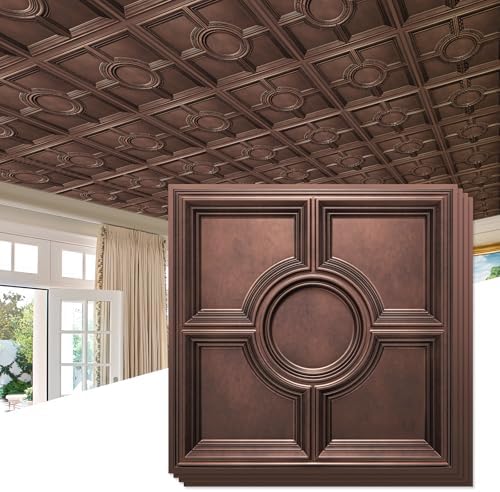
- Premium Material: Crafted from high-quality, recycable PVC material, features lightweight and flexibility, waterproofing…
- Easy Installation: STICKGOO Drop Ceiling Tiles are compatible with 15/16″ T-bar grid system or glued over any flat subst…
- Multipurpose: These elegant stylish 3D designs are excellent no matter for remodeling or new construction to ceiling or …

- Sizes & Package: You will receive 40 sheet Vinyl Flooring, which measuring 11.8×11.8 inch each, with a thickness of 0.05…
- Gentle Reminder: 1. Please confirm again before purchasing that the size (especially thickness) can meet your needs to a…
- Economical & Practical: AKOLAFE’s Floor Tile series offers a budget-friendly way to decorate floors quickly and easily w…

- Double the Width: Our premium wood grain tiles are 11.8 inches wide, offering double the coverage of standard tiles, mak…
- Roll-Up Convenience: Unlike typical tile sheets, our unique roll-up design ensures easy handling and storage. Perfect fo…
- Effortless Installation: Just peel and stick – no special tools required. Transform your space with ease and no mess. Ou…
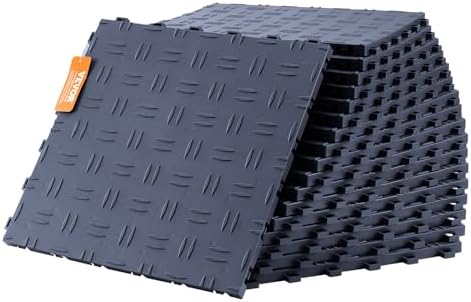
- Multi-scene Versatility: Our garage tiles for multiple uses truly cover various scenarios. Whether it’s a professional g…
- 5500lbs Load Capacity: Our garage flooring interlocking tiles measure a thickness of 0.53inch / 13.4mm, ensuring outstan…
- Upgraded Interlocking: These garage flooring tiles are enhanced with 6 interlocking loops for a smoother installation, e…



- THIS DOMAIN NAME CITYTILES.COM IS FOR SALE
- Marazzi
https://www.marazziusa.com - Daltile
https://www.daltile.com - Porcelanosa
https://www.porcelanosa.com - MSI Surfaces
https://www.msisurfaces.com - Lamosa
https://lamosa.com.mx - Emser Tile
https://www.emser.com - Crossville Inc.
https://crossvilleinc.com - Ragno
https://ragno.us - American Olean
https://americanolean.com - Atlas Concorde
https://atlascoronde.us
Understanding the Different Types of Tiles
When it comes to choosing tiles for bathrooms and kitchens, understanding the various types available is crucial for achieving both aesthetic appeal and functional efficiency. The most common categories include ceramic, porcelain, glass, and natural stone tiles, each offering unique characteristics and benefits.
Ceramic tiles are one of the most popular choices due to their versatility and affordability. Made from clay and other natural materials, these tiles are available in various glazes and colours, which allow for significant design flexibility. They are relatively easy to maintain and can resist moisture when properly sealed, making them suitable for kitchen backsplashes and bathroom walls. However, ceramic tiles can be prone to chipping and are less dense than porcelain, potentially limiting their durability.


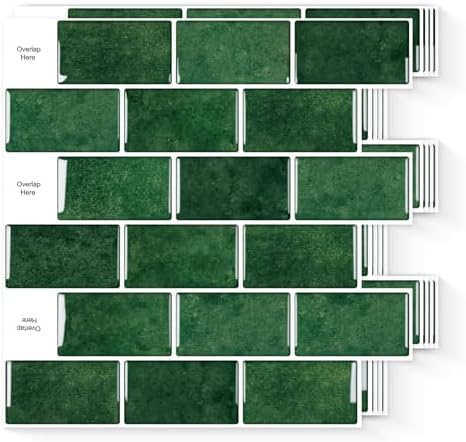
Porcelain tiles, a subtype of ceramic, are known for their density and strength. They are fired at higher temperatures, rendering them less porous and highly resistant to moisture, making them ideal for high-moisture areas like showers and bathroom floors. Their durability means they can withstand wear and tear, making them suitable for high-traffic areas. However, their cost can be higher compared to standard ceramic options.
Glass tiles add a modern touch to any space with their sleek appearance and reflective qualities that enhance light. These tiles are moisture-resistant and incredibly easy to clean, thus making them excellent for kitchen backsplashes or accent walls in bathrooms. However, they may require more careful installation, and their susceptibility to cracking under severe impact may limit their use in flooring.
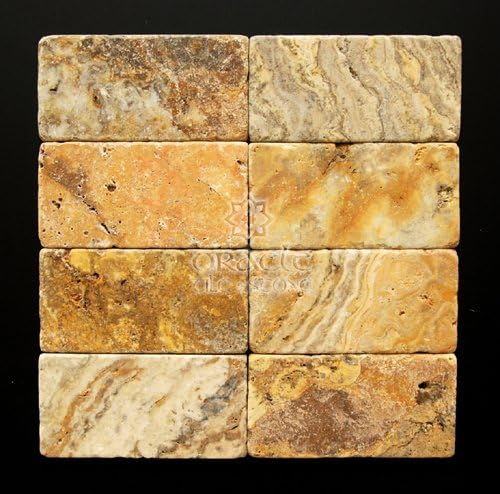
Natural stone tiles, including granite, marble, and slate, provide a luxurious and timeless appeal. Each stone brings unique textures and patterns, allowing for elegant design options. While they are incredibly durable and moisture-resistant when sealed properly, they often require more maintenance to prevent staining and to keep them looking their best. Additionally, natural stone can be on the pricier side.
Incorporating any of these tile types can enhance both the visual and functional aspects of bathrooms and kitchens. Understanding their individual characteristics, pros, and cons will empower homeowners and designers to make informed decisions that lead to beautifully crafted, enduring spaces.


Choosing the Right Tiles for Your Space
When it comes to selecting tiles for bathrooms and kitchens, several factors play a crucial role in ensuring a successful and harmonious design. One of the primary considerations is the color scheme of the space. Choosing tiles that complement the existing color palette can significantly enhance the overall aesthetic. Neutral tones, such as whites, grays, and beiges, are often favored for their versatility, while bolder colors can create focal points or add vibrancy to the area. It is essential to visualize how different tile colors will interact with the light and surrounding elements.
Another important aspect to consider is the texture of the tiles. A glossy finish can reflect light and create an illusion of space, which is beneficial in smaller bathrooms and kitchens. Conversely, textured tiles can provide grip and safety in wet areas, making them ideal for bathroom flooring. This selection should also be aligned with personal preferences and style; while some may lean toward sleek, modern tiles, others may prefer rustic or traditional options.
Tile size and layout further influence the overall ambiance of the room. Larger tiles can make a small area feel more expansive, while smaller tiles offer more intricate design possibilities. The layout of the tiles, whether it be a classic grid or a more dynamic pattern, should echo the kitchen or bathroom design theme. Additionally, it is vital to match tiles with existing décor and fixtures, ensuring a cohesive look. Finally, practical considerations must also be taken into account, such as ease of cleaning, slip resistance, and durability, as these attributes are particularly significant in high-traffic areas like kitchens and bathrooms.
Installation Tips and Techniques
Installing floor and wall tiles in your bathroom or kitchen can transform the aesthetics and functionality of these spaces. To ensure a successful project, it’s essential to adhere to best practices during the installation process. Begin by thoroughly preparing the surface. This involves measuring the area carefully and ensuring that the substrate is clean, dry, and level. Uneven surfaces can lead to complications during installation, ultimately affecting the longevity and appearance of the tiles.
Once the surface is ready, selecting the appropriate adhesive is crucial. There are various types of tile adhesives, each suited for different conditions and tile materials. For instance, thin-set mortar is commonly used for ceramic and porcelain tiles, while mastic is often preferred for wall tiles in dry areas. Always refer to the manufacturer’s instructions to ensure compatibility. Moreover, choosing the right grout is equally important; it not only impacts the aesthetics but also the durability of the installation. Epoxy grout is highly resistant to moisture and stains, making it a suitable choice for both bathrooms and kitchens.
The tools used during installation can significantly influence the outcome. Essential tools include a tile cutter, notched trowel, spacers, and a rubber float for grouting. Proper usage of these tools can achieve a seamless finish, while neglecting them may result in uneven or poorly adhered tiles. It is also important to consider the pros and cons of undertaking a DIY installation versus hiring professionals. DIY projects can be cost-effective and fulfilling, yet they require a certain skill level and dedication to detail. Hiring professionals can ensure a flawless installation but may involve higher costs. Weighing these factors will assist in making an informed decision, leading to a satisfactory tile installation experience.


Maintenance and Care for Longevity
To ensure that your bathroom and kitchen tiles maintain their appearance and functionality over time, regular maintenance and care are essential. Different tile types require distinct cleaning methods to preserve their integrity. For ceramic and porcelain tiles, regular sweeping or vacuuming, combined with damp mopping using a mild detergent, is sufficient to remove dirt and grime. For natural stone tiles, it is vital to use a pH-neutral cleaner specifically designed for stone surfaces, as acidic or abrasive cleaners can lead to etching or dullness.
Preventing damage from moisture is crucial, particularly in areas exposed to water, such as bathrooms and kitchens. Always ensure sufficient ventilation in these spaces, utilize extractor fans, and promptly address any leaks to deter moisture accumulation. Stains can also mar the appearance of tiles; thus, it is vital to clean up spills swiftly to prevent any form of penetration into the tile surface. For stains, employing a specialized cleaning product designed for your tile type can effectively mitigate damage.
Routine upkeep is essential in avoiding common issues like mold and mildew. Regularly check and clean grout lines, as they can trap moisture and become breeding grounds for mold. A mixture of baking soda and water can effectively clean grout, while a sealant application can help protect the grout from future stains and moisture intrusion. For natural stone tiles, periodic sealing—typically every 1 to 3 years, depending on the type of stone and usage—is recommended to safeguard against stains and enhance longevity.
In conclusion, proper maintenance, addressing moisture issues, and routine cleaning are vital components in ensuring the durability and aesthetic appeal of your bathroom and kitchen tiles. By following best practices for specific tile types, you can enjoy a beautiful and functional space for many years.
Contact information — Please use contact form on http://www.abshot.com/contact/